Cancer Counseling in Culver City, CA
A cancer diagnosis changes everything. I'm Robyn Sheiniuk, LCSW, at Restorative Counseling Center in Culver City, California. I provide specialized cancer counseling for women at every stage, and for the caregivers who show up for them every day.
What Is Cancer Counseling?
Cancer counseling is a specialized form of psychotherapy designed to address the emotional, psychological, and relational impact of a cancer diagnosis and its aftermath. It is distinct from oncology treatment. It does not treat the cancer itself. What it treats is everything a cancer diagnosis does to a person's inner world: the fear, the grief, the disorientation, the loss of control, and the profound uncertainty that can settle in long after treatment ends.
Cancer counseling sessions may address:
Anxiety about diagnosis, treatment outcomes, and recurrence.
Depression and grief related to changes in health, identity, and relationships.
Post-traumatic stress responses triggered by scans, procedures, or medical environments.
Body image challenges and identity disruption following surgery or treatment.
Relationship strain with partners, children, and friends who are also affected.
The particular challenges of being a caregiver for someone living with cancer.
You do not need a current cancer diagnosis to benefit from cancer counseling. Survivors, people in long-term remission, and caregivers are all candidates for this work.

EMDR Therapy for Scanxiety and Cancer Trauma
One of the most distinctly effective tools I use in cancer counseling is EMDR, or Eye Movement Desensitization and Reprocessing. Originally developed to treat PTSD, EMDR has been applied extensively in medical trauma contexts, and it is particularly well suited to the kinds of fear responses that cancer creates.What is scanxiety? Scanxiety refers to the intense anxiety many cancer patients and survivors experience before, during, and after follow-up scans. The anticipation of imaging results can trigger symptoms that resemble acute trauma responses: intrusive thoughts, sleep disruption, physical tension, and an inability to concentrate or be present. For many people, this anxiety does not diminish over time. It can actually intensify with each subsequent scan cycle.EMDR works by targeting the traumatic memory or fear response at its neurological root. It goes beyond teaching coping strategies. It actually processes the memory so that it loses its emotional charge. In the context of cancer, EMDR can help address:Scanxiety and scan-cycle dread.Trauma responses related to diagnosis moments, surgical experiences, or medical procedures.Intrusive memories that arise during remission.Anticipatory grief and fear of recurrence.
Many women I work with have found that EMDR provides relief that talk therapy alone did not reach. Not because talk therapy is not valuable, but because some of what cancer leaves behind is stored in the body and nervous system in ways that language does not fully access.
Support for Caregivers of Cancer Patients
A cancer diagnosis does not happen to one person. It happens to a family.If you are a spouse, partner, parent, or adult child caring for someone with cancer, your emotional experience is real and it deserves space. Caregivers often put their own needs entirely aside, pushing through their fear, exhaustion, and grief in order to show up for their loved one. Over time, this takes a significant toll.I offer therapy specifically for caregivers navigating the cancer experience. Not as an add-on to patient support, but as its own distinct therapeutic priority. You are allowed to be overwhelmed. You are allowed to struggle. And you deserve support that sees you as a whole person, not just a supporting role in someone else's story.Caregiver counseling may address:Anticipatory grief and fear of losing someone you love.Compassion fatigue and emotional depletion.Guilt about not doing enough, or about having your own needs.Relationship dynamics that shift under the pressure of illness.Planning for an uncertain future while trying to be present today.
Therapeutic Approaches Used in Cancer Counseling
My practice draws on three evidence-based therapeutic frameworks, selected and tailored based on what each individual brings to the work.EMDR Therapy
A structured, research-backed method for processing traumatic memories that no longer need to hold power over the present. EMDR targets the neurological root of fear responses, going where words alone often cannot reach.

Polyvagal Theory
Understanding how the nervous system responds to threat and safety. This approach helps you recognize your own physiological patterns and expand your capacity for calm and connection, especially after the sustained stress of cancer.
Psychodynamic Therapy
A deep, insight-oriented approach exploring the relational and emotional patterns rooted in your history. This helps you understand how past experiences are shaping your response to cancer, and how to shift those patterns.

No single approach fits every person, and I do not work from a rigid protocol. What we use in your sessions will be shaped by what you need, where you are in your journey, and what has and has not worked for you before.What to Expect When You Start
Many people wonder whether the right time to start therapy is during treatment, after treatment, or only if things feel "bad enough." There is no wrong time to begin. The right time is when you recognize that you could use support.
Sessions are available online throughout California and Florida, making it possible to access support from wherever you are.Frequently Asked Questions About Cancer Counseling
-
Cancer counseling is therapy built specifically around what a cancer diagnosis does to a person emotionally, relationally, and psychologically. General therapy is valuable, but cancer brings a specific constellation of experiences: medical trauma, mortality awareness, body changes, scanxiety, caregiver dynamics, and survivorship disorientation. The difference is the ability to hold the full weight of what a cancer diagnosis means without rushing past it toward "positive thinking," and not treating the fear as a problem to be eliminated rather than a response to be understood and worked through.
-
EMDR (Eye Movement Desensitization and Reprocessing) is an evidence-based therapy that helps your brain reprocess traumatic memories so they no longer feel as distressing. During sessions, I guide you through recalling difficult memories while engaging in bilateral stimulation, which helps your brain process and integrate these experiences in a new way. For cancer patients and survivors, EMDR is particularly effective at addressing scanxiety, diagnosis shock, and the trauma responses that medical procedures and treatment can leave behind.
-
Scanxiety is the intense anxiety that comes before, during, and after follow-up scans and imaging appointments. It can include intrusive thoughts, trouble sleeping, physical tension, and difficulty being present. For many survivors, this anxiety does not fade over time. It can actually get worse with each scan cycle. EMDR therapy is particularly effective here because it targets the fear response at its root, rather than just teaching you to manage the symptoms.
-
I work with women at every stage. You do not need to wait until treatment is over to begin therapy. Many women find that counseling during active treatment provides a stable emotional anchor while everything else feels uncertain. We work on managing anxiety, communicating with loved ones, and making decisions from a grounded place rather than a reactive one. Survivors and those in remission are equally welcome.
-
Absolutely. A cancer diagnosis does not happen to one person. It happens to a family. I offer therapy specifically for caregivers: spouses, partners, parents, and adult children who are navigating their own grief, fear, and exhaustion alongside their loved one's illness. Caregiver counseling is its own distinct therapeutic priority, not an afterthought.
-
Yes. All sessions are available online via secure video throughout California. Many clients find that being in their own comfortable, private space helps them feel safer and more open during difficult work. I also work with clients in Florida.
-
The right time is when you recognize that you could use support. You do not need to be in crisis, and you do not need to have a current diagnosis. If the emotional weight of what you have been through, or what you are going through right now, is getting in the way of how you want to live, that is enough reason to reach out.
-
The length of therapy varies depending on your unique history, goals, and how your mind and body respond to treatment. Some clients experience significant relief within a few months, while others with more complex histories benefit from longer-term work. I collaborate with you to regularly assess your progress and adjust our approach as needed.
-
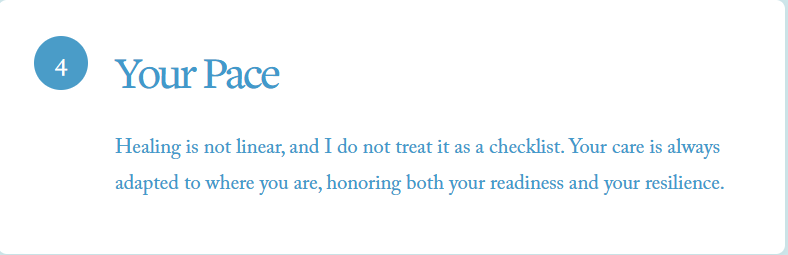
You are always in control of what you share. While some exploration of your experiences is part of the healing process, approaches like EMDR do not require you to describe every detail of what happened. I work at a pace that feels safe for you, and we build skills together so you feel supported throughout the process.
-
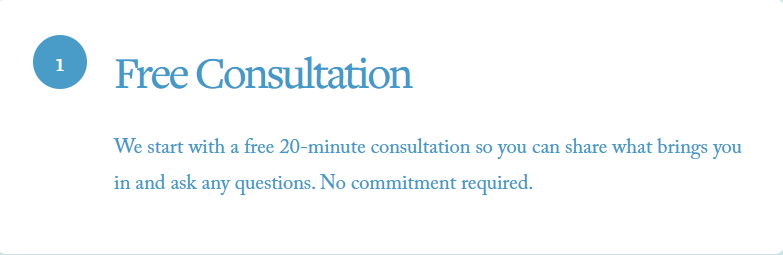
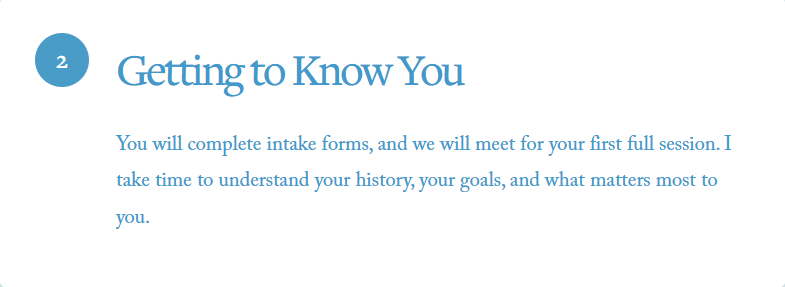
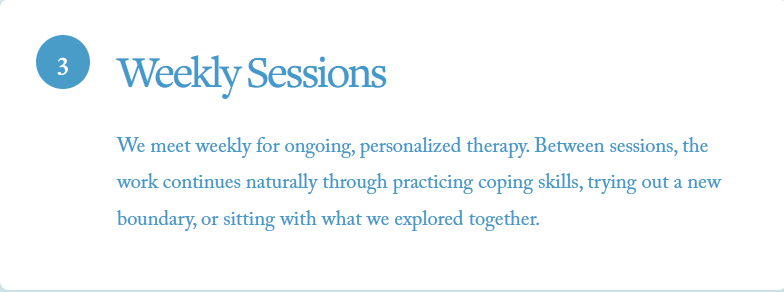
We begin with a free 20-minute consultation so I can learn about what brings you to therapy and you can ask any questions. After that, you will complete intake forms, and we will meet weekly. Early sessions focus on building trust, understanding your history, and developing coping skills to help you feel stable and resourced before we begin processing traumatic memorie
Ready to Begin?
If you are ready to start, or just want to explore whether cancer counseling is right for you, I invite you to reach out for a free consultation. No pressure, no commitment. Just a conversation.

Restorative Counseling Center is a private practice led by Robyn Sheiniuk, LCSW, located in Culver City, CA, and providing online therapy to clients throughout California and Florida. The practice specializes in supporting women who are "high achievers" but are secretly struggling with the weight of trauma, grief, or a cancer diagnosis. Robyn utilizes evidence-based modalities, primarily Eye Movement Desensitization and Reprocessing (EMDR), to help clients process stuck memories and reduce emotional intensity, allowing them to move from a state of overwhelm to one of peace and insight.
Cancer counseling is a form of psychotherapy and does not replace oncological medical care. Always consult your healthcare team regarding your medical treatment. If you are in crisis or experiencing a medical emergency, please call 911 or go to your nearest emergency room.