
Grief Counseling in Culver City, CA
Grief counseling at Restorative Counseling Center in Culver City, CA helps you process loss, whether from a death, a relationship ending, or a life-altering change. I'm Robyn Sheiniuk, LCSW, and I integrate evidence-based approaches including EMDR therapy for grief complicated by trauma.

What Grief Counseling Actually Is, and What It Isn't
Grief counseling is a specialized form of therapy designed to help you process the pain, confusion, and disorientation that follows a significant loss. It's not about moving on, forgetting the person or life you lost, or reaching some pre-set endpoint of "being over it." Grief counseling is about learning how to carry your loss with you in a way that doesn't collapse your ability to live, connect, and find meaning again.Loss takes many forms. The death of a parent, spouse, child, or close friend is the most recognized form, but grief also follows the end of a marriage, a miscarriage or pregnancy loss, a chronic illness diagnosis, the loss of a career or identity, or the death of a beloved pet. Each of these experiences can produce the same disorienting mix of sadness, anger, numbness, and longing. Grief counseling is designed to meet you wherever you are in that experience.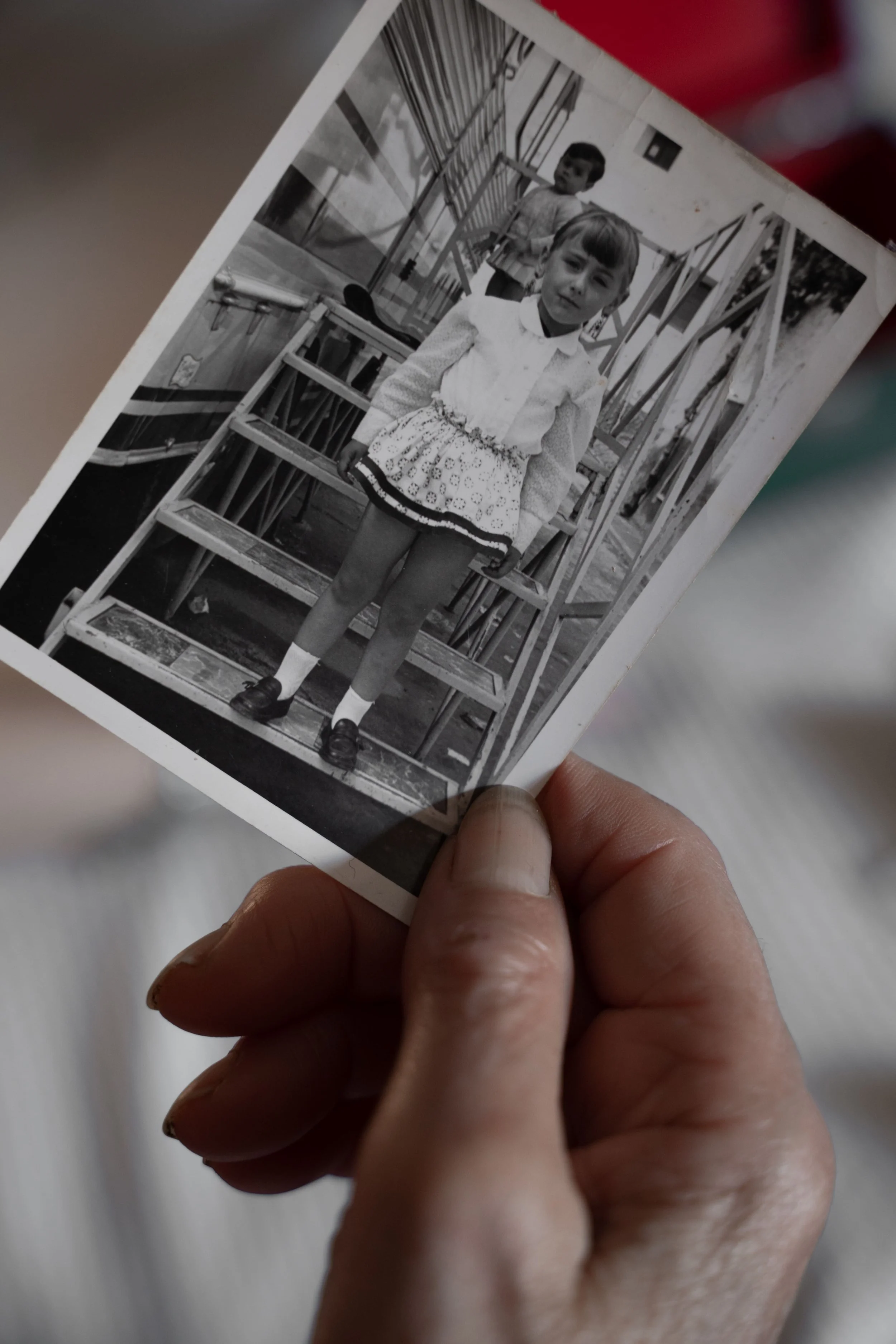
What We Actually Work On Together
When you begin grief counseling at Restorative Counseling Center, I don't follow a rigid script. Grief isn't linear, and neither is the therapy designed to address it. That said, there are recurring themes that emerge in grief work, and having a structured approach makes it possible to move through them rather than around them.Processing the pain without being consumed by it. One of the early goals in grief counseling is creating enough psychological space for you to feel what you feel without becoming overwhelmed by it. Many people who have experienced significant loss describe a sense of being trapped, either unable to stop crying and functioning, or unable to cry at all and feeling guilty about it. Both are normal. Therapy provides a contained space where the full weight of grief can be explored without the pressure to perform recovery for the people in your life.Reconstructing meaning after loss. Grief researcher Dr. Robert Neimeyer's work on meaning reconstruction describes how significant losses can shatter your assumptive world, the implicit story you tell yourself about life, love, safety, and the future. Grief counseling helps you examine what has changed in your internal narrative and begin rebuilding a framework that holds both the loss and the life you still have.Maintaining connection without being held back. Continuing Bonds theory, developed by grief researchers Klass, Silverman, and Nickman, challenges the old model that healthy grieving requires "letting go." Modern grief therapy recognizes that maintaining a meaningful internal connection to who or what you lost isn't pathological. It's often the foundation of healthy grief integration. Together, we work on finding the right kind of relationship with the memory of your loss, one that honors what mattered without preventing you from living.Managing the physical and practical impact. Grief isn't only an emotional experience. It affects sleep, appetite, concentration, immune function, and relationships. It can look like depression. It can trigger anxiety. It can surface as irritability, withdrawal, or physical illness. I address these dimensions directly, because grief that is only processed intellectually often leaves its physical and relational impact unresolved.
When Grief Counseling Might Be Right for You
You don't need to be in crisis to benefit from grief counseling. Many people come to therapy because they feel stuck. They know time has passed, but the grief feels as sharp as it did on day one. Others come because their grief is starting to affect their work, their relationships, or their sense of self. Some come because the people around them have moved on and they feel isolated in their loss.Common signs that grief counseling may be helpful include:You're having difficulty functioning in daily life, including work, relationships, and basic self-care.You feel isolated or as though no one around you understands what you're going through.The grief feels disproportionate, or you feel guilty about the intensity of it.You're using substances, overworking, or otherwise numbing to avoid feeling it.The loss happened years ago and still significantly affects how you feel and relate.You experienced a complicated loss such as suicide, overdose, estrangement, ambiguous grief, or grief that others may not fully recognize as legitimate.You're anticipating a loss (terminal illness of a loved one) and want support before the death occurs.
You Don't Have to Navigate Grief Alone

The Role of EMDR in Grief Therapy
Eye Movement Desensitization and Reprocessing (EMDR) is most often associated with trauma therapy, and for good reason. But grief and trauma frequently coexist. When a loss is sudden, violent, unexpected, or involves circumstances that carry shame, guilt, or horror, the memories associated with it can become traumatically encoded. Standard talk therapy alone may not be sufficient to process the intrusive images, nightmares, or somatic responses that accompany traumatic grief.EMDR therapy works by facilitating bilateral stimulation (typically through guided eye movements) while you hold targeted memories or emotional experiences in mind. This process allows the brain to reprocess the memory, not erase it, but metabolize it so it no longer carries the same charge. For clients experiencing complicated grief, traumatic bereavement, or grief intertwined with a history of trauma, EMDR can access dimensions of the experience that conversation alone can't reach.At Restorative Counseling Center, I integrate EMDR into grief work where clinically appropriate, drawing on both the relational depth of traditional grief counseling and the neurobiological reprocessing capacity of EMDR.
How Long Does Grief Counseling Last?
There's no universal timeline for grief, and there's no universal timeline for grief counseling. Some people find meaningful relief in eight to twelve sessions. Others work for six months to a year, particularly when the loss is recent, complex, or layered on top of prior losses. A small number of people find that grief therapy becomes part of an ongoing support structure during a period of profound life transition.In the initial consultation, we'll discuss what you're experiencing, what you're hoping for, and what a realistic arc of the work might look like. That conversation is the starting point, not a fixed commitment.
Working With Robyn Sheiniuk, LCSW
Restorative Counseling Center is a private therapy practice in Culver City, California, serving individuals navigating grief, loss, and life transitions. I'm a Licensed Clinical Social Worker (LCSW) with specialized training in grief therapy and EMDR. I work with adults experiencing all forms of loss, including death of loved ones, relationship endings, identity losses, and the anticipatory grief that accompanies serious illness.Sessions are available online throughout California and Florida, which means you don't need to be local to Culver City to access this work. A free 20-minute consultation is available for anyone who wants to explore whether this approach might be right for them.Grief is one of the most universal and most isolating human experiences. You don't have to navigate it alone, and you don't have to navigate it on anyone else's timeline.Frequently Asked Questions about Grief Counseling.
-
No. Grief is a natural response to any significant loss, including the end of a relationship, the loss of a pregnancy, a major career or identity shift, a health diagnosis, or even the loss of a hoped-for future. All of these deserve the same quality of care and attention as the grief that follows a death
-
Friends and family provide love and presence, both of which are essential. A grief counselor provides clinical structure, professional training in how grief processes and sometimes stalls, and a space where you don't have to manage their feelings about your grief. It's a different kind of support, and for many people, both are necessary.
-
Yes. Grief doesn't expire. Many people come to therapy with losses that occurred five, ten, or twenty years ago that were never fully processed. Often, a new loss or a major life transition surfaces grief that was set aside rather than integrated. It's never too late to do this work.
-
Grief and depression share many symptoms, including sadness, sleep disruption, reduced motivation, and withdrawal. The key clinical distinction is that grief is typically tied to the loss itself and tends to involve waves of feeling rather than a persistent flat state. However, grief can trigger or coexist with clinical depression, which is one reason professional assessment is valuable. A grief counselor can help clarify what you're experiencing and respond to both dimensions if needed.
-
Yes. EMDR (Eye Movement Desensitization and Reprocessing) is one of the primary approaches I use for grief work at Restorative Counseling Center. EMDR helps process the traumatic dimensions of loss, including intrusive memories, somatic responses, and emotional looping, at a neurological level rather than relying solely on narrative talk. It's particularly effective when grief has a traumatic quality, such as sudden death, witnessing a decline, or losses that feel unresolved. I'll assess whether EMDR is appropriate for your situation during the initial consultation.
-
I use a combination of EMDR, Polyvagal, and Psychodynamic approaches in grief counseling. These methods help you process painful memories, regulate your nervous system, and explore the deeper emotional patterns that shape how you experience loss.
-
For grief counseling, individual 50-minute sessions are $250. If you feel you need more time, I also offer 90-minute sessions at a pro-rated rate and 3-hour intensives for deeper work. If cost is a concern, I can explore a sliding scale fee to make sure you get the support you need during this difficult time.
-
The length of grief counseling varies for each person and depends on your unique circumstances, the nature of your loss, and your personal goals. Some people find relief in a few months, while others benefit from longer-term support. Together, we'll determine what feels right for you.
-
During a grief counseling session, you can expect a safe and compassionate space to share your feelings and experiences. I'll listen without judgment, help you make sense of your emotions, and guide you through techniques that support healing. Each session is tailored to where you are in your grief journey.
-
Grief is the natural emotional and physical response to loss. Complicated grief, also called Prolonged Grief Disorder (a clinical diagnosis added to the DSM-5-TR in 2022), is characterized by grief that remains intense and functionally impairing beyond what is typical, often involving persistent longing, difficulty accepting the loss, bitterness, or an inability to engage with life. Not everyone who grieves develops complicated grief, but when it is present, specialized therapy including EMDR and trauma-informed approaches can be particularly effective. If you're unsure whether what you're experiencing is complicated grief, I can help you assess this during an initial consultation.
Ready to Start Grief Counseling?
Let's begin with a free 20-minute consultation. No commitment, no pressure. Just a conversation about what you're going through and whether this approach might help.
Restorative Counseling Center is a private therapy practice in Culver City, California, serving individuals navigating grief, loss, and life transitions. I'm a Licensed Clinical Social Worker (LCSW) with specialized training in grief therapy and EMDR. I work with adults experiencing all forms of loss, including death of loved ones, relationship endings, identity losses, and the anticipatory grief that accompanies serious illness.
Restorative Counseling Center offers grief counseling and EMDR therapy in Culver City, CA, and online throughout California. To schedule a free 20-minute consultation, contact me today. If you or someone you know is in immediate danger, please call 911 or the 988 Suicide and Crisis Lifeline by dialing 988.